Ensuring a comfortable indoor environment throughout the year is a priority for homeowners and businesses in Cincinnati. The region’s hot, humid summers and chilly winters make reliable heating, ventilation, and air conditioning (HVAC) systems essential. When considering a new system, many people search for information about HVAC installation in Cincinnati, OH, to understand how the process works and what benefits it brings. If you’re preparing for an installation, or simply exploring your options, understanding what to expect can help you achieve the best possible indoor comfort for your home or workplace.
The Importance of Professional HVAC Installation
The performance of any HVAC system depends not only on the quality of the equipment but also on the expertise behind its installation. Professional installation ensures that the system is properly sized, safely connected, and optimally configured for the unique layout of your space.
Key Benefits of Expert Installation
- Energy Efficiency: Proper installation minimizes energy loss, reducing utility bills and environmental impact.
- Consistent Comfort: Even air distribution, accurate temperature control, and effective humidity management are possible when the system is installed correctly.
- Longevity: A well-installed system is less likely to experience premature wear, helping you avoid costly repairs or early replacement.
What Happens During HVAC Installation in Cincinnati
Understanding the installation process can alleviate concerns and help you prepare your property for the work ahead. Here’s a step-by-step overview of what typically takes place:
1. Initial Assessment and Planning
Before any equipment is brought into your home, a thorough evaluation is conducted. This assessment includes:
- Measuring the Space: Calculating the square footage and evaluating the layout ensures the system is appropriately sized.
- Evaluating Insulation and Ductwork: Assessing existing insulation and ductwork identifies potential areas for improvement or repair.
- Discussing Preferences: Homeowners can discuss comfort preferences, air quality concerns, and any specific needs.
2. System Selection
Based on the assessment, recommendations are made regarding system type and capacity. Options might include central air conditioners, heat pumps, furnaces, or ductless mini-splits. The right choice depends on:
- The size and layout of your property
- Budget considerations
- Desired energy efficiency
- Specific comfort requirements
3. Preparing for Installation
On installation day, the work area is prepared to protect your property. This typically involves:
- Laying down protective coverings
- Ensuring safe, clear access to equipment and workspaces
- Setting up necessary tools and safety equipment
4. Removal of Old Equipment
If replacing an existing system, the old unit is safely disconnected and removed. Special care is taken to handle any refrigerants or hazardous materials in compliance with regulations.
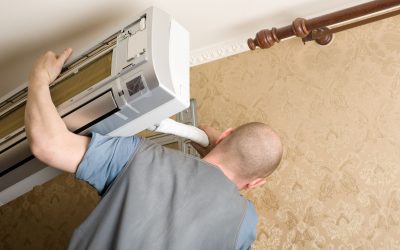
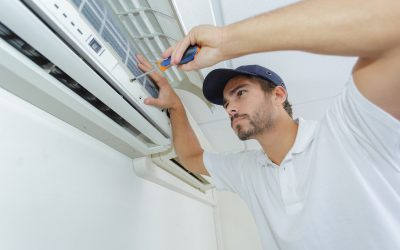
5. Installing New Equipment
The new HVAC system is positioned and securely installed. This stage includes:
- Placing indoor and outdoor units as needed
- Connecting refrigerant lines, electrical wiring, and drainage systems
- Installing or updating thermostats and control systems
6. Testing and Calibration
After installation, technicians thoroughly test the system to ensure optimal operation. This involves:
- Checking for air leaks in ductwork
- Verifying refrigerant levels and electrical connections
- Calibrating thermostats and controls for precise comfort
- Ensuring even airflow and temperature distribution
7. Final Walkthrough and Education
Once the system is running smoothly, you’ll receive a walkthrough of the new setup. Installers explain:
- How to operate the system
- Maintenance tips to keep it running efficiently
- How to recognize signs of potential issues
This ensures you’re equipped to make the most of your new HVAC system from day one.
Factors Unique to Cincinnati’s Climate
Cincinnati’s climate presents specific challenges for HVAC systems. Summers can be hot and humid, while winters bring cold temperatures and occasional snow. When searching for HVAC installation in Cincinnati, OH, it’s important to choose a system designed for local weather conditions.
Considerations for Year-Round Comfort
- Humidity Control: High humidity in summer can make indoor spaces feel warmer. Modern HVAC systems often include dehumidification features that enhance comfort and protect against mold and mildew.
- Efficient Heating: Winters require reliable heating. Systems with high Annual Fuel Utilization Efficiency (AFUE) or Heat Seasonal Performance Factor (HSPF) ratings are optimal for keeping energy costs in check.
- Air Quality: Pollen, dust, and other allergens can be significant in the region. Advanced filtration and ventilation options can greatly improve indoor air quality.
Ensuring Optimal Long-Term Performance
Installation is just the beginning. To maintain peak performance and comfort, regular upkeep is essential.
Maintenance Tips
- Change Filters Regularly: This simple step improves efficiency and air quality.
- Schedule Annual Inspections: Professional tune-ups catch small issues before they become major problems.
- Monitor System Performance: Pay attention to changes in noise, airflow, or energy bills—these can signal the need for maintenance.
Upgrading for the Future
As technology evolves, homeowners may consider integrating smart thermostats or zoning systems. These upgrades provide greater control over indoor climate and can further enhance comfort and efficiency.
Common Questions About HVAC Installation in Cincinnati
How long does installation take?
Most residential installations are completed in one to two days, depending on the complexity of the system and any additional work required (such as ductwork repairs).
Is new ductwork always required?
Not always. If your existing ductwork is in good condition, it can often be reused. However, damaged or inefficient ducts should be repaired or replaced to ensure optimal results.
What about rebates or incentives?
Many energy-efficient systems qualify for local, state, or federal incentives. It’s worth researching current programs before making a purchase.
Investing in a new HVAC system is a significant step toward achieving optimal indoor comfort in Cincinnati’s challenging climate. By understanding what to expect from HVAC installation, from the initial assessment to ongoing maintenance, you can ensure a smooth process and lasting results. Choosing the right system, having it installed professionally, and keeping up with regular care will provide reliable comfort, energy savings, and peace of mind for years to come. Whether you’re upgrading or installing a system for the first time, being informed about the process is the best way to maximize your investment and enjoy a comfortable indoor environment year-round.