Summary:
• Routine HVAC maintenance catches small mechanical issues, such as dirty filters or low refrigerant, before they cause full system failure.
• A qualified HVAC maintenance company inspects electrical connections, airflow, and refrigerant levels during scheduled visits.
• Preventive tune-ups support energy efficiency and reduce the likelihood of mid-season emergency repairs.
Scheduled HVAC maintenance prevents breakdowns by identifying worn parts, airflow restrictions, and electrical faults before they escalate into system failures. Homeowners who skip annual tune-ups are more likely to face costly repairs or complete system replacement during the hottest or coldest stretches of the year.
Working with a qualified HVAC maintenance company in North Little Rock, AR gives homeowners access to trained technicians who inspect components that are easy to overlook during a DIY check. These visits typically cover refrigerant levels, thermostat calibration, and blower performance, which together determine how reliably a system runs through peak demand seasons. Catching a minor issue during a routine visit is almost always less disruptive and less expensive than an emergency call after a full breakdown.
Why Preventive Maintenance Matters for Local Systems
Central Arkansas summers push air conditioning systems hard for months at a time, and that sustained workload accelerates wear on filters, coils, and electrical connections. A system that never gets inspected is more likely to lose efficiency gradually until a component fails outright.
According to the U.S. Depar tment of Energy, replacing a dirty air filter with a clean one can lower an air conditioner’s energy consumption by a measurable margin, since restricted airflow forces the system to work harder. That added strain on the blower motor and compressor is a common precursor to mechanical failure.
Regular maintenance addresses several failure points at once:
• Airflow restrictions from clogged filters or blocked vents that force the system to overwork.
• Refrigerant imbalances that reduce cooling capacity and strain the compressor.
• Loose electrical connections that can lead to component failure or safety hazards.
• Dirty condenser coils that reduce the system’s ability to transfer heat efficiently.
What a Maintenance Visit Typically Includes
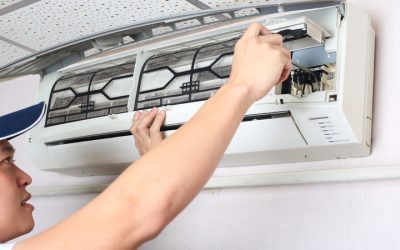
A standard HVAC maintenance appointment is more thorough than a filter swap. Technicians generally follow a checklist designed to verify every major system function before problems surface.
1. Inspect and clean or replace air filters.
2. Check refrigerant charge and look for leaks in the lines.
3. Test thermostat accuracy and calibration.
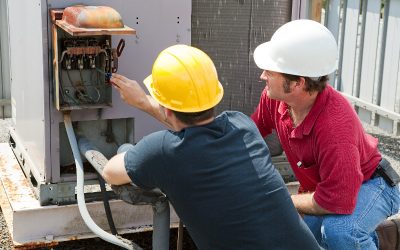
4. Tighten electrical connections and measure voltage on motors.
5. Clean condenser coils and clear debris from the outdoor unit.
6. Inspect ductwork for leaks or disconnections affecting airflow.
Seaton Heat N’ Air and Electric, a veteran-owned company serving Central Arkansas, performs heating and cooling maintenance alongside installation and repair work for residential and commercial systems. The business also provides electrical services, which allows technicians to flag wiring or panel concerns that intersect with HVAC performance during the same visit.
DIY Checks vs. Professional Maintenance
| Task | Homeowner Can Do | Requires Licensed Technician |
| Replace or clean air filter | Yes | No |
| Clear debris around outdoor unit | Yes | No |
| Check refrigerant levels | No | Yes |
| Tighten electrical connections | No | Yes |
| Calibrate thermostat settings | Partial | Recommended |
Homeowners can handle basic filter changes and keeping the outdoor unit free of leaves and grass clippings. Tasks involving refrigerant, electrical wiring, or internal components call for a licensed professional, since improper handling can create safety risks or void equipment warranties.
Scheduling Maintenance Before Peak Seasons
Timing matters as much as the inspection itself. Scheduling a cooling system check in spring and a heating system check in fall allows technicians to address issues before extreme temperatures put systems under the heaviest load.
• Spring tune-ups catch AC issues before the first heat wave.
• Fall inspections confirm the furnace or heat pump is ready for winter demand.
• Mid-season check-ins can address unusual noises, odors, or inconsistent airflow.
Waiting until a system fails often means longer repair timelines, since emergency calls spike during extreme weather when demand for technicians is highest.
Frequently Asked Questions
How often should an HVAC system be serviced? Most manufacturers and service providers recommend a professional check twice a year, once before cooling season and once before heating season, to keep components calibrated and running efficiently.
Can regular maintenance really prevent a full system breakdown? Maintenance cannot eliminate every risk of failure, but it significantly reduces the chance of a sudden breakdown by catching worn parts, refrigerant leaks, and electrical issues early.
What is included in a typical maintenance visit? A standard visit usually covers filter inspection, refrigerant checks, electrical connection tightening, coil cleaning, and thermostat calibration, as outlined in the maintenance checklist above.
Is HVAC maintenance worth the cost for an older system? Older systems often benefit the most from regular maintenance, since small inefficiencies compound over time and can shorten the equipment’s remaining service life.
Keeping a heating and cooling system on a consistent maintenance schedule remains one of the most reliable ways to avoid unexpected breakdowns and extend equipment life. Homeowners and business owners in North Little Rock looking for a maintenance partner can review service details directly through Seaton Heat N’ Air and Electric to find an option that fits their system and schedule.